2011 post-harvest report
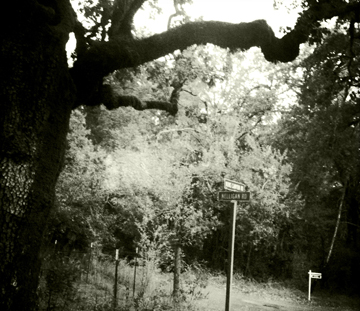
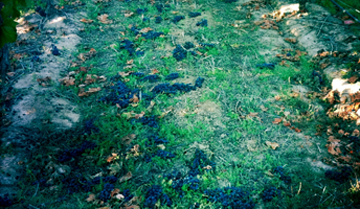
On November 4th, we harvested our two most compromised vineyards: Hudson Syrah and Tenbrink Petite Sirah. The fruit at Hudson was small-clustered and well-spaced. We estimated a touch of rot on about 75% of the clusters; in the end we got much less than that. The picking crew put about 25-30% of the fruit on the ground before harvesting any, and delivered such clean fruit to the winery that we fermented 100% of it whole cluster, as we have done every year since 2006. We thought that fruit quality was excellent in taste, though we had no idea what effect the botrytis, and other infections, that we could not see and sort out would have. It was a good day for us; on the way to Hudson, I saw a Syrah vineyard where 100% of the fruit had to be discarded; none was harvested.
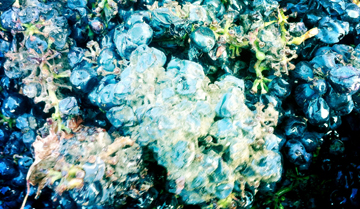
On the same day, while I was supervising thinning at Hudson, Steve Tenbrink began harvesting his and our Petite Sirah. We had anticipated perhaps 30% botrytis there, and some dehydration from the long hang time during beautiful, warm weather. What we received at the winery shocked us. There was nearly 100% botrytis, and 100% dessication. Nearly every cluster showed at least some of each. The cluster at left was absolutely typical, not extreme. We think that two things happened: that most of the botrytis had escaped our notice on the back side of the clusters; and that the infections, against all expectations, had exploded in the last two days before harvest. Or perhaps that they had gone from moist and not so visible, to dry and matted and dominating the clusters. In any case, we were shocked and truly had no idea whether we could make good wine from this heavily dehyrdrated and rotted fruit. (Here is the report that I wrote on the night that we had harvested the fruit.)
I am going to cut to the chase and give you an utterly succinct short estimate of the resulting wines—and invite you to the winery any time to taste its accuracy;
Both of the wines will be among the best that we have ever made; the Petite Sirah particularly interesting for its already filagreed elegance.
On November 4, we harvested two tons of Chuy Cabernet—twice as much as we had in 2009. The mountain fruit, exposed to Pacific winds for weeks, had no rot at all and was quite ripe. Perfect. The weather had been so cold that there was frost on the ground when we arrived to pick the grapes. Sun prevailed and made for a glorious day; we had the fruit at the winery by 11 am and destemmed it into puncheons. When I wrote this on Thanksgiving morning, it was fermenting still, and I would be leaving the feast at some point for its daily punchdown. The wine will be more powerful than in 2009; its beauty and complexity still need time to appear.
And that is the harvest report. 2011 might prove to be our best year ever. Terror gives way to wonder and thanksgiving.